Beyond the Template: How Milk Shake KDP Interior Represents a New Era in Creator Tools
In the bustling ecosystem of self-publishing, tools are not just utilities; they are statements of intent. They reflect the evolving relationship between creators and their craft, between business ambitions and artistic expression. Enter the concept of Milk Shake KDP Interior, a term that has begun circulating among savvy publishers on Amazon's Kindle Direct Publishing (KDP) platform. At first glance, it might appear as simply another interior template for books. But its emergence and the specific assets associated with it—like the provided lined image formats—signal a deeper shift. It points to a maturation of the self-publishing toolkit, moving from mere assembly to curated, brand-aligned creation.
The Anatomy of a Modern Publishing Asset
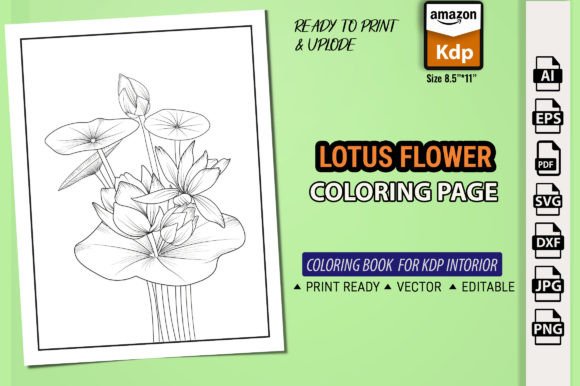
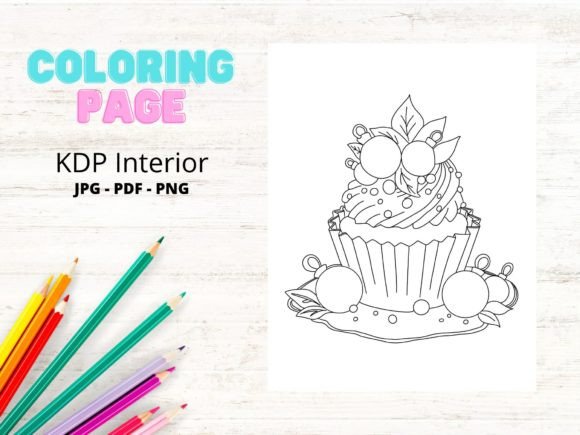
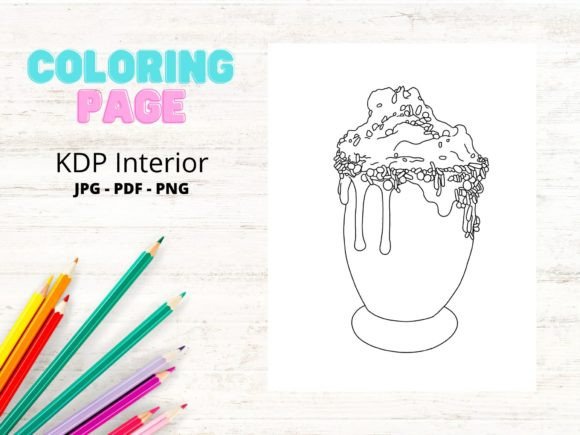
Let's dissect what we're discussing. The provided assets—a lined image in PNG (transparent background), JPG (8.5 x 11 inches, blank background), and a flattened PDF of the same dimensions—are not random graphics. They are precision-engineered publishing components. The 300 dpi resolution ensures print-ready quality. The multiple formats cater to diverse workflows: the transparent PNG for digital overlays and design, the standard JPG for straightforward use, and the flattened PDF for guaranteed, secure print output. The instruction "You can print these images and color them. Use them for your KDP business" frames them not as finished art, but as foundational canvases. This is the essence of the Milk Shake KDP Interior approach. It's a system or style offering structured, high-quality base materials that creators can adapt, personalize, and integrate into their unique book interiors, particularly for genres like activity books, journals, planners, or educational workbooks.
Contextualizing the Shift: Why Structured Creativity Wins
The self-publishing market, especially on KDP, has graduated from its wild west phase. Success now hinges less on merely having a product and more on having a distinctive, professional, and coherent product. Consumers browsing for a coloring book, a guided journal, or a child's activity book have seen thousands of options. Their preference has evolved from accepting basic layouts to expecting designs that feel intentional, aesthetically consistent, and functionally smooth. This is where a thoughtful Milk Shake KDP Interior style meets the market need.
It addresses several changing creator expectations simultaneously:
- Time Efficiency vs. Customization: Creators, especially entrepreneurs and freelancers running a KDP business, need to optimize time. A complete, blank template forces total creation from scratch. A well-designed, adaptable interior asset provides a robust starting frame, saving hours on layout and technical setup while still allowing full artistic and brand customization.
- Professional Output Accessibility: The barrier to achieving a "professional look" has lowered. Tools like these provide the correct technical specifications (300 dpi, proper dimensions, flattened files) by default, ensuring creators without deep graphic design expertise can produce files that meet KDP's print quality standards.
- Brand Consistency Across Products: For creators building a series or a brand (e.g., "Mindful Journals" or "Kids' Activity Series"), using a coherent interior style like Milk Shake KDP Interior helps establish visual recognition. The lined paper style, the spacing, the margin feel—all become part of a recognizable brand language, increasing perceived value and customer loyalty.
The Larger Trend: Creator Tools as Empowerment Platforms
This evolution mirrors a broader trend across digital creation fields. From Canva for social media marketers to premium WordPress themes for web developers, the market is rewarding tools that provide a structured foundation for unbounded creativity. They reduce the friction of technical execution and elevate the user's focus to content, branding, and audience engagement. Milk Shake KDP Interior assets function similarly for the book interior space. They empower the creator to act as the director and designer, not the laborer wrestling with InDesign settings or resolution errors.
Furthermore, the inclusion of a printable, colorable image speaks directly to the "interactive" and "experience" economy. Modern consumers, particularly in lifestyle and educational niches, seek products that offer engagement. A book isn't just text to read; it's a canvas to color, a journal to fill, a space for personal contribution. Providing that high-quality canvas is a direct response to this consumer preference.
Practical Application: Building a KDP Business with Intent
Imagine a practical scenario. An entrepreneur targets the growing market for adult mindfulness products. They plan a series of "Zen Garden" guided journals. Using a cohesive set of Milk Shake KDP Interior assets—which might include not just lined pages but perhaps complementary bordered pages, section dividers, and illustrative elements—they can rapidly prototype each new journal. The consistent interior layout becomes a trusted frame. They then focus their creative energy on the unique content, the guided prompts, the thematic illustrations for each edition. The result is a product line that looks professionally unified and feels intentionally designed, accelerating production and strengthening brand identity.
Another observation: these assets democratize quality for non-designers. A freelance writer specializing in children's educational content can partner with a simple graphic tool or use these pre-formatted images to create accompanying activity pages. They can ensure the crossword puzzle or connect-the-dots page they envision prints perfectly without needing to subcontract a designer for layout work. This collapses the traditional production chain, allowing the content expert to also be the product publisher.
Integration with Technology and Workflow
The specific file formats provided are a lesson in modern digital workflow thinking. The PNG with transparency is designed for digital composition layers. The JPG is the universal ready-to-use format. The flattened PDF is the secure, final delivery format for print. This trio covers the entire journey from creation (adding elements over the transparent background in a software like Photoshop or GIMP) to application (placing the JPG directly) to final submission (uploading the print-ready PDF to KDP). It's a toolset designed for efficiency, acknowledging the multi-stage, multi-software reality of a creator's process.
Why This Matters Beyond a Single Template
The attention around concepts like Milk Shake KDP Interior is not about a single product. It's a indicator of the market's direction. It shows that successful self-publishing is increasingly a hybrid discipline: part content creation, part graphic design, part brand management, part technical publishing. Tools that support this hybrid model by offering quality, flexibility, and workflow compatibility will become central. They allow the professional, the marketer, the enthusiast to operate at a higher level.
This connects to larger developments in the creator economy. Platforms are empowering individuals to build micro-businesses and niche media brands. The tools must evolve to support not just the launch of a single product, but the sustainable operation and scaling of a creative enterprise. A reliable, reusable interior design system is a asset in that scaling process. It turns the daunting task of "designing every book interior from scratch" into a manageable process of "adapting and populating a trusted framework."
Conclusion: The Future is Curated Creation
The journey from a blank document to a published book on KDP is filled with decisions. The rise of thoughtful, production-ready assets like those associated with the Milk Shake KDP Interior style represents a smarter approach to those decisions. It signifies a move away from fragmented, ad-hoc creation towards curated, systematic publishing. For professionals, entrepreneurs, and creators in the KDP space, paying attention to these developments is crucial. It's not just about finding a template; it's about adopting a workflow and a philosophy that aligns with where the market is going: towards higher expectations, brand-centric products, and tools that empower creators to meet those expectations efficiently and with artistic control. The lined image you receive is more than a page; it's a building block for a modern publishing strategy.