The Art of Animal Shaped Mandalas: A Guide for Creators and Coloring Enthusiasts
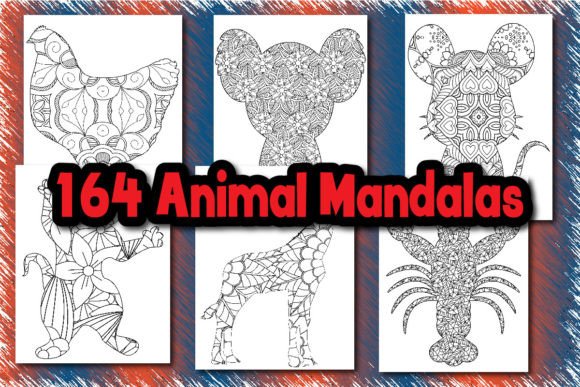
The intricate swirl of a mandala combined with the familiar form of an animal creates something uniquely captivating. Animal Shaped Mandalas blend geometric harmony with organic life, offering a creative experience that is both structured and imaginative. Whether you are a seasoned artist looking for new digital assets or someone discovering the calming benefits of adult coloring for the first time, these designs hold significant appeal. They are more than just patterns; they are a bridge between mindful art therapy and commercial creativity, particularly in products like the popular "Animals Mandala Coloring Pages" digital printable collections.
Yet, the journey from downloading a file to achieving a satisfying final result—be it a printed coloring book, a framed artwork, or a digital product—is often where small, overlooked details can lead to frustration or wasted effort. By understanding a few key pitfalls, you can ensure your project, whether for personal joy or professional sale, meets the highest standards of quality and usability.
Overlooking File Format and Application Suitability
A common and costly misunderstanding is treating all digital files interchangeably. A typical Animals Mandala Coloring Pages bundle, like one offering 328 pages with separate JPG and PNG files, serves distinct purposes. The JPG files are generally ready-to-use, compressed images ideal for direct printing or quick viewing. The PNG files, however, often support transparency. This is crucial if you intend to layer the mandala over other backgrounds in digital design software or create stickers.
Using a JPG where a transparent PNG is needed forces you into tedious editing work to remove white backgrounds, compromising efficiency and final quality. Conversely, using large PNG files for simple bulk printing might slow down your workflow unnecessarily. Always check the description for what each format offers and match it to your specific task: PNG for design manipulation, JPG for straightforward print-ready projects.
The Critical Mistake of Ignoring "No Bleed" Specifications
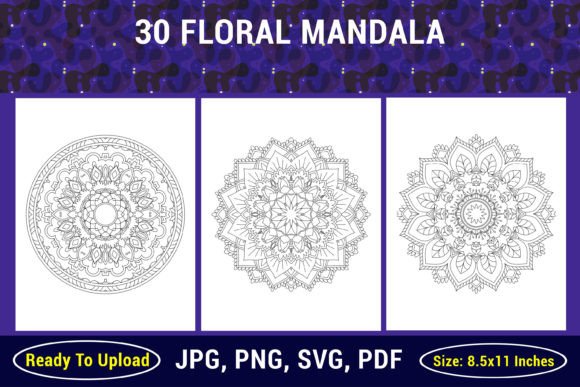
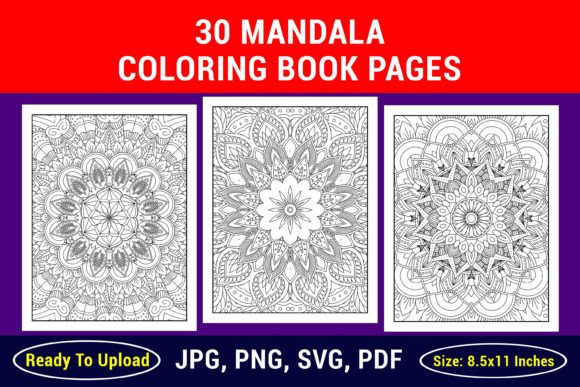
When a product details a Trim size of 8.5x11 inches with No Bleed, this is a vital technical point, especially for those using the pages for KDP (Kindle Direct Publishing) or physical book printing. "No Bleed" means the design elements stop safely within the page margins, with no intentional extension to the edge of the paper. This is perfect for coloring books where users will draw within the lines.
If you mistakenly assume bleed is included and attempt to format the pages as a full-bleed book, you will encounter cropping issues, with parts of the intricate animal mandala designs being cut off. Before proceeding with any print project, verify your printer's or platform's required template. For a no-bleed file, ensure your printing setup also uses a no-bleed configuration to preserve the entire artwork as intended.
Assuming "High-Quality" Means Universally Suitable
The mention of High-quality 300 DPI resolution interiors is a benchmark for print fidelity. However, a mistake is to assume this resolution is always appropriate for every use. For professional printing, 300 DPI is excellent. For web use, such as displaying samples on a sales page, these high-resolution files will be unnecessarily large, slowing down your website.
The better approach is to create derivatives. Use the original 300 DPI files for your master print archive, but generate optimized, smaller-resolution versions (e.g., 72 DPI) for online previews. This maintains a fast, user-friendly website while preserving the quality for customers who download the product for printing.
Neglecting the Scope of Content Before Purchase or Use
With 164 unique designs each in two formats, totaling 328 pages, the volume is substantial. A common oversight is not auditing the content for variety and audience suitability before integrating it into a project. Does the collection of Animal Shaped Mandalas lean heavily on domestic pets, or does it include a wild variety of wildlife, insects, and marine creatures? This diversity affects marketability.
For a KDP coloring book, a broad range appeals to a wider audience. For a themed blog offering monthly coloring pages, a narrower set might be perfect. Always review the file list or sample pages provided. This ensures the content aligns with your goals and prevents you from building a product around a set that, for example, lacks the specific animal themes your audience desires.
Underestimating the Importance of File Organization
Receiving 328 individual files can quickly become chaotic. A practical error many beginners and even professionals make is dumping all files into a single folder. Soon, distinguishing a JPG from its PNG counterpart becomes time-consuming.
The corrective advice is simple but transformative: implement a structured filing system immediately upon download. Create main folders labeled "JPG - Print Ready" and "PNG - Transparent." Within those, consider subfolders by animal type ("Birds," "Mammals," "Ocean"). This organizational habit saves hours of searching later and streamlines any design or compilation process, turning a massive asset pack into a manageable, professional resource.
Misapplying Mandalas Without Considering User Experience
Animal Shaped Mandalas are designed for coloring, but their application can go beyond a simple book. They can be used for craft patterns, website graphics, or educational materials. A frequent mistake is using them in contexts where their complexity becomes a hindrance. For instance, using a highly intricate owl mandala as a simple logo for a children's event may result in a graphic that is too detailed to be recognizable at small sizes.
Evaluate the end-user's experience. For coloring, complexity is a benefit. For digital icons, simplicity is key. Before committing a design to a new application, test it. Print a sample at the intended size, or view it on a mobile screen. This practical check ensures the beautiful detail of the animal mandala serves its purpose rather than confusing it.
Ultimately, engaging with Animal Shaped Mandalas successfully hinges on marrying appreciation for their artistic beauty with attention to these practical digital and print fundamentals. By consciously avoiding these common errors—from file format confusion to organizational neglect—you elevate your project. You ensure the serene focus intended by the mandala artist translates seamlessly into your own work, whether that work is a peaceful afternoon of coloring or the launch of a beautifully professional digital product. The key is to see the files not just as images, but as tools with specific strengths, requiring informed handling to unlock their full potential for satisfaction and success.