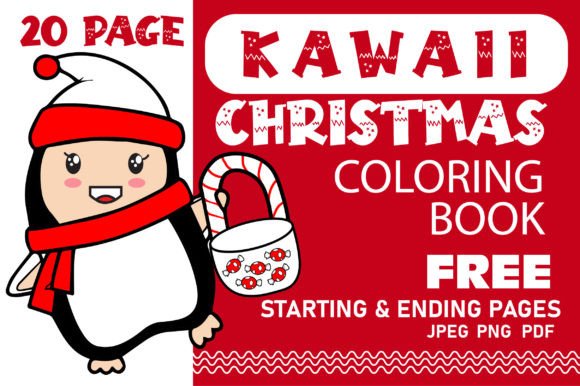
Unlocking Festive Creativity: The Allure and Craft of Kawaii Christmas Coloring Books
In a world that often moves at a dizzying pace, the simple act of coloring offers a moment of peaceful focus and joyful expression. This is especially true during the holiday season, where traditions blend with imagination. A particular niche within this creative universe has captured the hearts of children and adults alike: the Cute Kawaii Christmas Coloring Book. More than just a collection of festive images, these books represent a fusion of cultural art styles, educational tools, and modern entrepreneurial opportunities, particularly through platforms like Amazon KDP (Kindle Direct Publishing).
What is Kawaii, and Why Does It Belong on Your Christmas Tree?
To understand the appeal of these coloring books, one must first grasp the essence of "Kawaii." Originating from Japan, "kawaii" translates to "cute," "adorable," or "lovable." It is a pervasive cultural aesthetic characterized by rounded, soft forms, pastel colors, big eyes, and an overall sense of innocence and cheerful charm. This style has become globally beloved, influencing everything from fashion to graphic design.
When this kawaii aesthetic is applied to Christmas themes, the result is magical. Traditional holiday symbols—like Santa Claus, reindeer, Christmas trees, ornaments, and snowmen—are transformed. They become softer, friendlier, and brimming with playful personality. A kawaii Santa might have a disproportionately jolly smile and tiny, stubby boots. A reindeer might sport oversized, sparkling eyes. This approach demystifies and makes the festive iconography incredibly approachable, especially for young children. It removes any potential intimidation and replaces it with pure, inviting fun.
The Purpose and Significance Beyond Just Coloring
A Cute Kawaii Christmas Coloring Book for Kids is far more than a seasonal pastime. Its purpose is multi-faceted, touching on developmental, educational, and emotional areas.
- Fine Motor Skill Development: The act of coloring within lines helps young children, including kindergarten students, enhance their hand-eye coordination and dexterity.
- Color Recognition and Theory: Children experiment with color combinations, learning about hues, shades, and how colors can express mood—even in a black-and-white interior, choosing where to apply "imaginary" color is a cognitive exercise.
- Focus and Concentration: Engaging with a charming kawaii image requires attention, providing a screen-free activity that builds concentration spans.
- Emotional Expression and Holiday Spirit: Coloring festive, happy imagery allows children to connect with the joy and warmth of the Christmas season in a personal, hands-on way.
- Cultural Blend: It introduces children to a global art style (kawaii) within a familiar Western holiday context, fostering an early appreciation for cultural fusion.
The Modern Maker's Blueprint: KDP and Printable Digital Products
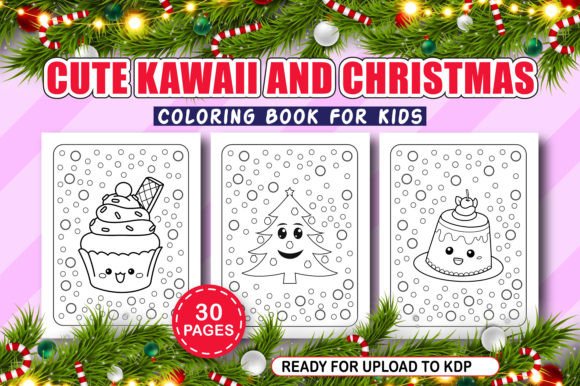
The description of a typical product—Digital Printable Cute Kawaii Christmas Coloring Book for Kids—points directly to its practical relevance in today's digital and entrepreneurial landscape. Amazon's Kindle Direct Publishing (KDP) has revolutionized how creators share and monetize content. For artists, designers, and educators, it offers a direct path to a global marketplace.
A ready-to-sell KDP interior for this coloring book is meticulously crafted to meet specific technical and commercial standards:
- Dimensions 8.5” x 11” Inches: This is the standard US letter size, perfectly aligned with home printers and professional printing services, ensuring easy accessibility for the end user.
- Non-Bleed: This means the design elements stop before the edge of the page, crucial for KDP print books where trimming can vary slightly. It guarantees the final printed product looks clean and intentional.
- Print Ready PDF File: The cornerstone file format, optimized for both digital viewing and flawless physical printing.
- 22 Pages: A substantial count offering good value without being overwhelming, often including a title page, instructions, and 20 unique coloring designs.
- High-Resolution Interiors (300 DPI): DPI (dots per inch) refers to print quality. 300 DPI is the gold standard for crisp, clear lines that won't appear blurry when printed, a critical factor for customer satisfaction.
- JPEG, PNG Files: Providing these image formats alongside the PDF offers flexibility. Users might want to print individual pages or use images digitally for other projects.
- Black and White Color: The interiors are line art, ready for the user's color palette. This simplifies the printing process (black ink only) and focuses on the coloring activity itself.
- Files Tested on KDP: This is a vital assurance. It means the creator has uploaded and validated the files against KDP's system, ensuring there are no formatting errors that could lead to listing rejection or poor print quality.
This technical readiness transforms a creative idea into a viable product. It fits seamlessly into modern life where side hustles, digital entrepreneurship, and the demand for instant-access printables are prevalent. Parents can purchase and download the book immediately for a rainy December afternoon. An educator can integrate it into a kindergarten holiday lesson plan without waiting for shipment. The creator earns passive income through Amazon's vast distribution network.
Clarifying Common Assumptions
Several assumptions about such products deserve clarification. First, that a "digital printable" is low quality. In fact, as described, high-resolution 300 DPI files ensure premium output. Second, that KDP is only for e-books. KDP also handles paperback printing and distribution, meaning a coloring book can be sold as a physical book shipped by Amazon or as a digital file the customer prints themselves. Third, that these books are only for very young children. The kawaii style, with its inherent charm, also appeals to older kids and even adults seeking a stress-relieving, nostalgic creative outlet during the holidays.
Building a Broader Understanding: From Activity to Ecosystem
Viewing a Kawaii Christmas Coloring Book solely as an end-product misses the bigger picture. It is a node within a larger ecosystem of creativity, technology, business, and education.
- The Creative Design Process: An artist blends Christmas iconography with kawaii principles, considering composition, line weight, and age-appropriate complexity.
- The Technical Preparation: The artwork is translated into print-ready files, requiring knowledge of graphic design software (like Adobe Illustrator or Procreate) and publishing specifications.
- The Entrepreneurial Platform (KDP): The creator navigates Amazon's platform, understanding keywords, categories, pricing, and marketing to reach their audience.
- The End-User Experience: The product lands in the hands of a parent, teacher, or child, becoming a tool for leisure, learning, or family bonding.
- The Community and Trends: Success often ties into broader trends: the love for kawaii culture, the growth of the coloring book market, and the seasonal demand for holiday activities.
An example that helps tie this together naturally: A graphic designer, inspired by her own childhood love of both anime and Christmas, creates a 22-page kawaii coloring book. She ensures all technical KDP requirements are met. She lists it on Amazon in early November. A kindergarten teacher in another country searches "Christmas activities for kindergarten," finds the book, purchases the printable, and uses it for her class's art period. The children enjoy coloring a kawaii gingerbread man, developing their skills while the teacher appreciates the ready-made, professional resource. The designer earns a royalty, funding her next creative project.
The Significance in Daily Life and Seasonal Tradition
Finally, the relevance of such a product in daily life is profound. During the hectic holiday season, it provides a anchoring activity. It is a screen-free option that encourages quiet creativity. For families, it can be a collaborative project—different members coloring different pages to assemble a festive gallery. In educational settings, it supports thematic learning units about holidays, cultures, and art. For the solo entrepreneur, it represents the empowerment of turning a passion into a product with global reach, all from a home computer.
The Cute Kawaii Christmas Coloring Book, therefore, is a small but meaningful convergence point. It is where art style meets childhood development, where digital technology meets traditional printing, where personal creativity meets global e-commerce. It embodies the modern possibility of creating something delightful, useful, and shareable—a festive, kawaii spark of joy that can be colored in, printed out, and sold worldwide.