Unlocking Profitable Coloring Book Niches with Data
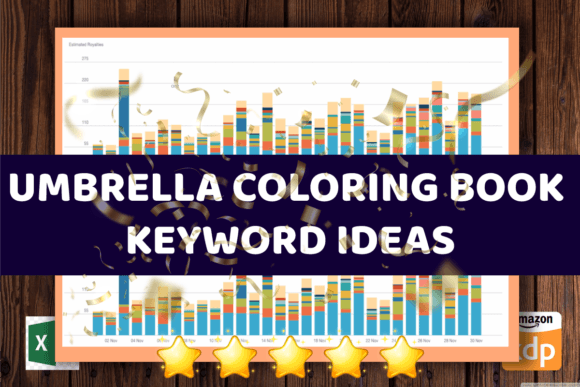
For creative entrepreneurs and publishers, the coloring book market on Amazon KDP is a landscape of immense opportunity and fierce competition. Success hinges not just on artistic skill, but on strategic insight—knowing what audiences are actively searching for. This is where a resource like UMBRALLA COLORING BOOK NICHES KDP IDEAS becomes a powerful tool. It shifts the focus from guesswork to data-driven creativity, providing a structured foundation of keywords and niches that can guide your entire publishing process.
The Power of Keyword-Driven Creativity
At its core, this resource is about alignment. It provides an organized Excel sheet filled with search terms specifically related to coloring pages. This isn't a list of vague themes; it's a compilation of actual phrases potential customers use when looking for their next coloring book. For a designer or self-publisher, this transforms the creative process. Instead of asking "What should I draw?", you start with a more targeted question: "What are thousands of people hoping to find?" This approach ensures your artistic effort meets a proven market demand.
The value lies in its specificity. You might discover niche clusters around "cognitive therapy patterns for adults," "vintage locomotive blueprints," or "biomechanical floral fusion." These keywords aren't just titles; they are direct windows into audience interests and needs. They inspire not just a single book idea, but variations and series. A keyword like "mindful mandalas for stress relief" immediately suggests a clear audience, a purpose for the book, and a stylistic direction.
From Data to Design: Building a Complete Product
The resource emphasizes a crucial truth in KDP: the keyword list is the blueprint, but the finished product requires craftsmanship. The note, "Just You need to make proper interiors Attractive Cover Page designs," underscores this. Data gives you the destination; your design skills build the vehicle to reach it.
Interior Art That Resonates
With a targeted keyword in hand, your interior design becomes a process of interpretation. For example, a niche like "architectural fantasy cityscapes" demands a certain level of detail and perspective that appeals to adults who enjoy complexity. A niche like "minimalist animal silhouettes for beginners" calls for clean, bold lines and open spaces. The keyword informs the complexity, style, and page count. This prevents the common pitfall of creating art that is beautiful but mismatched to the audience's expectations or skill level.
The Critical Role of Cover Design
Your cover is your primary sales tool on Amazon. An attractive cover page design must visually translate the keyword's promise. If your niche is "oceanic zen gardens," the cover should evoke calm, fluidity, and natural harmony to instantly connect with a seeker of those terms. It’s about creating a visual hook that is both aesthetically compelling and perfectly aligned with the search intent captured in the data. This synergy between keyword and visual presentation dramatically increases click-through rates.
Adapting the Resource for Different Creative Goals
The utility of UMBRALLA COLORING BOOK NICHES KDP IDEAS extends across various user profiles, each adapting the core data to their unique context.
For the freelance illustrator, it serves as a client-ready proposal tool. They can use niche keywords to pitch specific, market-aware book concepts to publishers or authors, demonstrating an understanding of commercial viability alongside artistic talent.
The marketer or blogger in the creative space can use these niches to develop targeted content—writing articles about the rising trend of "anatomical heart art coloring," for instance—thus attracting an audience interested in such books and potentially creating affiliate marketing opportunities.
Educators and small business owners might look beyond Amazon. A keyword like "community heritage symbols" could inspire a locally-focused coloring book for a town's festival or a custom educational resource for a history class, using the data to gauge broader interest themes.
For the hobbyist looking to turn a passion into profit, the list provides a safe starting point. It reduces the overwhelming "blank canvas" anxiety by offering concrete, researched paths to explore, allowing them to channel their drawing skills into projects with a clearer commercial pathway.
Building an Evergreen Catalog for Sustained Sales
The mention of making sales across all quarters (Q1, Q2, Q3, Q4) from evergreen niches highlights a long-term strategy. Evergreen niches are topics with perennial, year-round interest—think "botanical illustrations," "geometric patterns," or "fantasy creatures"—as opposed to fleeting fads.
The provided keywords, especially those tagged as "special for boosting your sales," likely point to these sustainable themes or to underserved sub-niches with high search volume. By building a catalog around these evergreen foundations, you create assets that continue to generate revenue long after publication. This shifts the model from a frantic chase of trends to the steady cultivation of a library. One book on "classic automobile line art" might sell consistently to car enthusiasts for years, becoming a reliable income stream.
Organization is key here. Using the Excel sheet, you can plan a publishing schedule. You might dedicate one quarter to developing a series from the "mindfulness and meditation" niche cluster, and another to the "steampunk inventions" cluster. This methodical approach, fueled by data, helps maintain a consistent output that systematically covers different areas of proven demand.
A Practical Path to Creative Commerce
Ultimately, resources like this exist to bridge the gap between art and commerce in a practical way. They encourage a useful creativity that is focused and audience-aware. The final advice, "do it late just buy download it make more sales," speaks to a mindset of efficiency: invest in the foundational research to save time and direct your energy where it matters most—into creating outstanding, market-ready designs.
By starting with UMBRALLA COLORING BOOK NICHES KDP IDEAS, you begin your project not with a blank page, but with a map. The map shows where the audience is waiting. Your talent, applied along the routes that map suggests, is what takes you and your books to them.