Letter Number Tracing Activity Books: A Practical Resource for Educators and Creators
In educational product development, particularly for early learners, the utility of a well-designed activity book is significant. A Letter Number Tracing Activity Book serves a specific and foundational purpose: providing structured practice for children learning alphabet formation and basic numeracy. When evaluating such a product, its value lies not just in the concept but in its execution as a ready-to-use asset. The product described—a 100-page book with tested templates for Kindle Direct Publishing (KDP)—represents a turnkey solution for professionals looking to publish educational materials without investing extensive time in graphic design and layout.
Core Characteristics and Structural Integrity
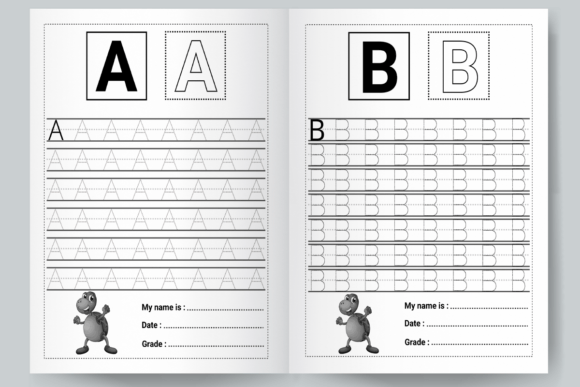
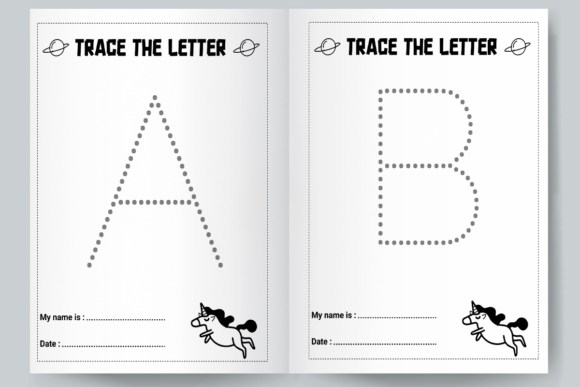
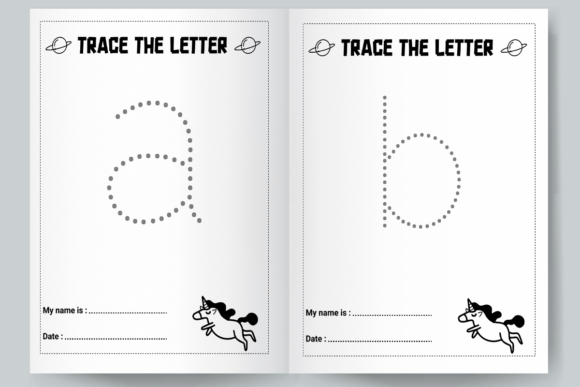
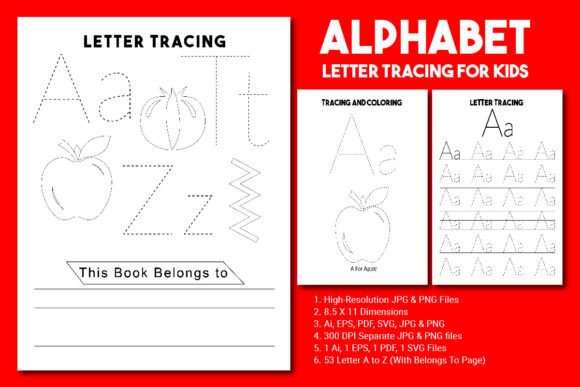
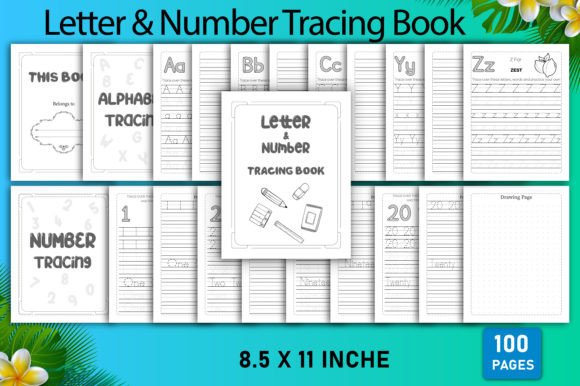
The outlined package is defined by several key features. It includes trace pages for all uppercase and lowercase letters, as well as numbers from 1 to 20. These are fundamental components for any beginning handwriting workbook. The inclusion of a “dotted drawing page” adds a supplementary activity for motor skills development. From a production standpoint, the specifications are precise: 8.5 x 11-inch page size, no bleed requirement, and 300 DPI resolution. These are not arbitrary choices; they are direct alignments with Amazon KDP’s print standards, indicating the templates have been formatted to avoid common technical rejection during upload.
This attention to technical compliance is a primary strength. For an entrepreneur or educator venturing into self-publishing, navigating KDP’s formatting rules can be a hurdle. A resource that has already been tested eliminates a layer of pre-launch anxiety. The provision of source files (PDF, JPG, PNG) is equally important. It offers flexibility. A user could, for instance, use the JPG files to create a digital product or incorporate individual pages into a larger composite workbook. The editable PDF source file allows for minor customizations, such as adding a school logo or altering a cover page, which can be crucial for branding.
Practical Value in Real-World Application
How does this letter number tracing activity book perform in practical use? Its effectiveness is tied to its audience and the user’s intent. For a classroom teacher creating supplementary take-home packets, the ready-made pages offer consistency and save hours of manual worksheet creation. For a small business owner running a tutoring center, such a book can be printed and used as a proprietary learning material, adding tangible value to their service offerings.
The quality hinges on the design of the tracing paths themselves. A professional product should feature clear, appropriately spaced dotted lines that guide the child’s hand effectively. The absence of bleed simplifies printing; it means the content is safely within the page margins, making it suitable for standard home or office printers as well as KDP’s print-on-demand service. This dual usability—for professional publishing and casual local printing—enhances its long-term value. One can launch a commercial product on Amazon and simultaneously use the same files for in-person workshops.
Audience Fit and Ideal Use Cases
This resource is not for everyone. Its primary beneficiaries are adults engaged in creating educational content for young children. This includes:
- Educators and Homeschooling Parents: Seeking structured, reproducible practice sheets.
- Freelance Content Creators and Bloggers: Who focus on educational printables and need a reliable base template.
- Small Business Owners in the Edu-tech or Tutoring Sector: Looking to develop their own branded physical products.
- Serious Hobbyists in the Self-Publishing Community: Interested in exploring the KDP marketplace with a proven format.
The product fits situations where time, design skill, or technical knowledge of publishing platforms are limiting factors. It is a solution that moves the user directly from the idea stage to the production stage. For a marketer, it could serve as a free downloadable lead magnet to attract parents to a broader educational website. Its 100-page count provides substantial content, making the resulting book feel complete rather than scant, which is important for customer perception on retail platforms.
Observations on Flexibility and Potential Limitations
A professional observation is that while the template offers excellent consistency and reliability for its core tracing function, its scope is intentionally focused. It does not, for example, include phonics exercises, coloring sections beyond the dotted drawing page, or progressive difficulty levels in letter tracing. This is not a drawback but a design choice. It excels as a dedicated handwriting foundation tool. The user must therefore assess if this singular focus aligns with their project goals. For a comprehensive early learning workbook, one might need to combine this with other resources.
The presentation, given the 300 DPI and clean page size, should result in sharp, clear prints. The effectiveness of the book ultimately depends on the pedagogical correctness of the letter and number forms—they should match standard instructional models. A potential user should preview the sample pages, if available, to confirm the font and tracing paths are appropriate for their regional or methodological standards.
Final Considerations for Your Project
Evaluating whether this Letter Number Tracing Activity Book template fits your needs requires matching its offerings against your objectives. If your goal is to quickly publish a professional-looking tracing book on KDP, or to generate high-quality practice pages for direct use with children, this product addresses those needs efficiently. Its tested status and inclusion of multiple source file formats provide a layer of assurance and adaptability. However, if your project requires highly customized art, integrated storytelling, or a multidisciplinary approach to early learning, this template would serve best as a component rather than the entire foundation. In the landscape of educational resources, it stands as a practical, production-ready asset for those who value structure, compliance, and time efficiency in creating fundamental skill-building materials.