The Strategic Value of Math Counting Number Activity Worksheets in Modern Education and Entrepreneurship
In the intersection of education, digital entrepreneurship, and parenting, a simple yet powerful tool has emerged as a cornerstone for early learning and creative business: Math Counting Number Activity Worksheets. These are not merely pages of numbers and pictures; they are structured, pedagogically-informed activities designed to build foundational numeracy skills in pre-school and kindergarten children. Typically encompassing sequences, matching, identification, and simple arithmetic, these worksheets transform abstract mathematical concepts into tangible, engaging tasks. When packaged as a digital printable Math Counting Number Learning Activity book, they become a versatile product, serving both as a direct educational resource for parents and teachers and as a viable asset in the thriving digital printables marketplace.
Aligning with Contemporary Educational and Market Trends
The relevance of Math Counting Number Activity Worksheets extends far beyond the classroom. They are a direct response to several converging trends. Firstly, the increased focus on early childhood STEM (Science, Technology, Engineering, and Math) readiness has parents actively seeking quality, accessible resources to supplement formal education. Secondly, the DIY and home-learning movement, accelerated by recent global shifts, has created a demand for structured, parent-friendly teaching tools. Thirdly, the surge in digital entrepreneurship, particularly on platforms like Amazon KDP (Kindle Direct Publishing), has opened a marketplace where functional, niche content like educational worksheets can become a sustainable business.
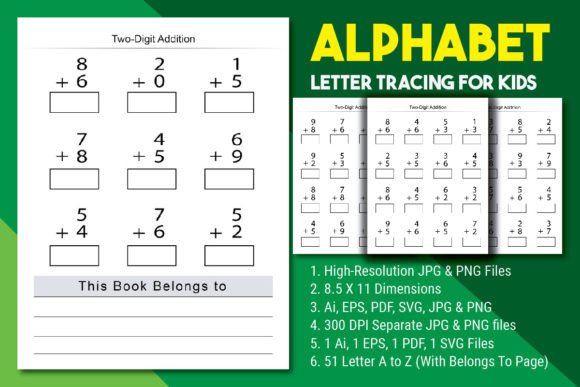
This digital printable model—offering files in Ai, EPS, SVG, PDF, PNG, and JPG formats—perfectly aligns with modern creator and consumer workflows. Professionals and entrepreneurs value the ready-to-print PDFs for instant usability, while the source files (Ai, EPS, SVG) provide the flexibility necessary for customization and branding, a critical factor in standing out in a crowded market. This multi-format approach speaks directly to changing expectations: consumers now seek products that are both immediately functional and adaptable to their specific needs.
Why Attention is Surging: The Dual Appeal of Utility and Opportunity
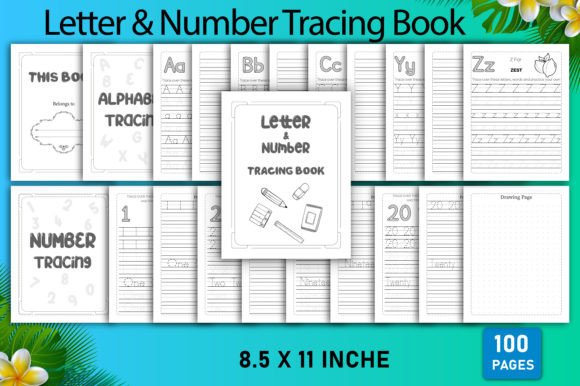
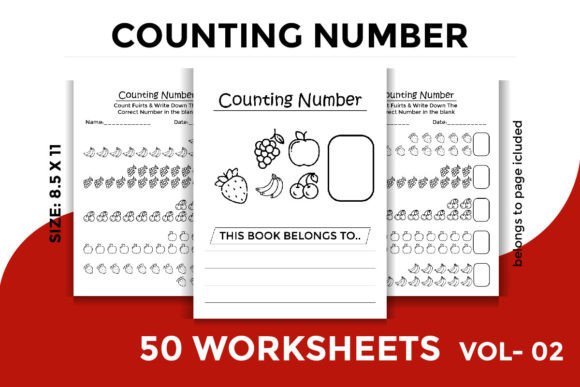
People are paying attention to Math Counting Number Activity Worksheets for two primary, interconnected reasons. For the end-user—parents, homeschoolers, kindergarten teachers—these worksheets solve a practical problem. They provide a no-prep, screen-free, hands-on activity that directly supports a child’s cognitive development. The "High-resolution interiors" and "Dimensions 8.5″ x 11″ Inch" specifications guarantee professional quality, ensuring the learning experience is clear and engaging, not frustrating.
For the creator and entrepreneur, including freelancers and side-hustle enthusiasts, this product represents a validated opportunity. The note that the template is "Fully tested in the Amazon KDP platform and ready to list" is a powerful signal of low-barrier entry. It reduces the technical and design hurdles that often stall new creators. However, the critical accompanying advice—to "make this template ALL YOUR OWN by adding deleting rearranging pages..."—highlights a deeper industry insight. It addresses the paramount importance of originality in automated publishing ecosystems. Amazon's algorithms penalize duplicate content, so the product’s inherent adaptability is not just a feature; it’s a business imperative for long-term viability.
The Evolution of Needs: From Static Pages to Dynamic Assets
The changing needs in this space are evident. A decade ago, a worksheet might have been a static photocopy. Today, the preferred resource is a digital asset. This shift reflects broader developments in technology and lifestyle. Consumers expect instant delivery (digital download), the ability to print on demand (avoiding waste and storage), and the freedom to reprint as needed (for multiple children or repeated practice). The inclusion of 53 ready-to-use PNG and JPG images, for instance, caters to users who may wish to incorporate individual activities into other digital projects or presentations, expanding the utility beyond a simple book.
From a business perspective, the workflow expectations have also evolved. Successful entrepreneurs on KDP and similar platforms no longer just upload a single PDF. They understand the value of offering a comprehensive package. Providing source files like SVG and EPS interiors is a forward-looking practice that acknowledges a segment of buyers who are themselves creators—perhaps teachers building a custom curriculum or small publishers assembling larger workbooks. This turns a simple sale into a potential B2B (business-to-business) transaction.
Practical Applications and Observations
Consider a practical example: a freelance graphic designer or educator purchases this digital printable Math Counting Number Learning Activity book template. They use the provided Ai file to change the thematic clip art from generic animals to, say, space rockets, aligning with a personal brand or a targeted niche market. They rearrange the pages to introduce counting by fives earlier in the sequence, based on their pedagogical research. They add a few custom coloring pages using the same design style for cohesion. The resulting product is now distinct, carries their unique value proposition, and is far less likely to be flagged by Amazon’s duplicate content checks. This process exemplifies the template’s role as a foundational asset, not a final product.
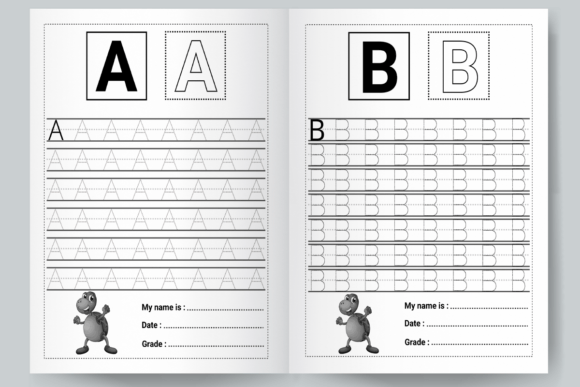
Another observation lies in the specification "Belongs to page included." This small detail addresses a real-world need for personalization and ownership in children’s activities, making the workbook feel special to the child using it. It’s an example of how thoughtful, user-centric design details enhance the marketability and usability of even the most functional products.
Connecting to Larger Developments: The Content Economy and Educational Accessibility
The proliferation of Math Counting Number Activity Worksheets as a digital product is a microcosm of the larger "content economy." Platforms like Amazon KDP have democratized publishing, allowing professionals from diverse fields—not just traditional authors—to monetize their expertise and creativity. This template, ready for a "High content book business," is a plug-and-play component in that economy. It lowers the production barrier for high-quality educational content, potentially increasing the diversity and volume of learning materials available globally.
Furthermore, it connects to the ongoing development of educational accessibility. High-resolution, professionally designed worksheets, available at a low cost point digitally, help bridge a resource gap. They provide parents in remote areas or with limited access to expensive pre-school programs with tools that can support early learning. The digital format ensures near-instantaneous, global distribution.
In conclusion, Math Counting Number Activity Worksheets, especially when engineered as a customizable digital printable book, are more than just children’s activities. They are a strategic product meeting modern educational demands, aligning with digital creator workflows, and embodying the principles of adaptability and originality required in today’s online marketplace. For the professional, entrepreneur, or enthusiast looking to contribute to education while building a business, understanding and leveraging the full context of this product—from its pedagogical value to its technical specifications and market imperatives—is the key to unlocking its true potential.